Data Analysis
Data analysis is the process of cleaning, analyzing, interpreting, and visualizing data using various techniques and business intelligence tools. Data analysis tools help you discover relevant insights that lead to smarter and more effective decision-making.
One of the most important ways to speed up your data analysis is to organize and document your data properly. This means that you should have a clear and logical structure for your data files, folders, and sources, and that you should label and annotate your data elements, such as columns, rows, variables, or values.
there are four main types of data analysis: Descriptive, diagnostic, predictive, and prescriptive.
- Descriptive analytics: What happened?
- Diagnostic analytics: Why did it happen?
- Predictive analytics: What is likely to happen in the future?
- Prescriptive analytics: What is the best course of action to take?
Descriptive analysis
the purpose of descriptive analytics is to simply describe what has happened without telling you why like Google Analytics.
2 main techniques used in descriptive analytics: Data aggregation and data mining.
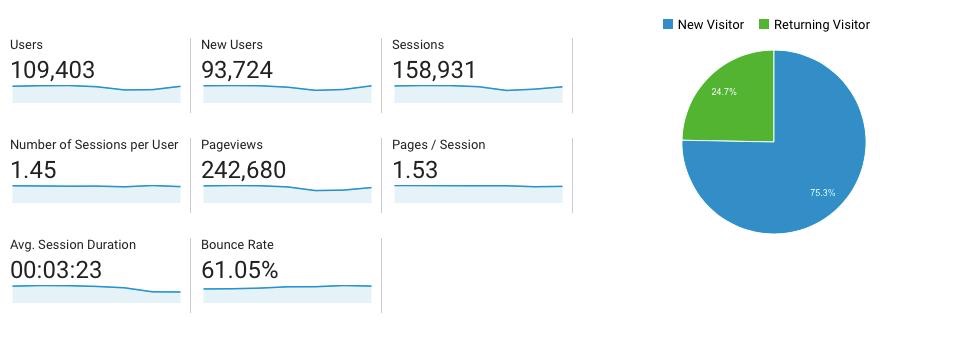
Descriptive analytics condenses large volumes of data into a clear, simple overview of what has happened
Diagnostic analysis
While descriptive analytics looks at what happened, diagnostic analytics explores why it happened.
The main purpose of diagnostic analytics is to identify and respond to anomalies within your data. For example: If your descriptive analysis shows that there was a 20% drop in sales for the month of March, you’ll want to find out why.
When running diagnostic analytics, there are a number of different techniques that you might employ, such as probability theory, regression analysis, filtering, and time-series analysis.
Predictive analysis
It seeks to predict what is likely to happen in the future. Based on past patterns and trends.
Predictive models use the relationship between a set of variables to make predictions; for example, you might use the correlation between seasonality and sales figures to predict when sales are likely to drop. If your sales are likely to go down in the summer, so you should consider having summer discounts to attract customers.
Credit cards companies might use predictive analysis to determine who will default on credit cards and pick who to give a card to and not.
So: Predictive analytics builds on what happened in the past and why to predict what is likely to happen in the future.
Prescriptive analysis
ooks at what has happened, why it happened, and what might happen in order to determine what should be done.
What steps can you take to avoid a future problem? What can you do to capitalize on an emerging trend?
Essentially, a prescriptive model considers all the possible decision patterns or pathways a company might take, and their likely outcomes.
An oft-cited example of prescriptive analytics in action is maps and traffic apps. When figuring out the best way to get you from A to B like google maps.
 More Knowing